Arena Trophy Co · buyer guide
How to proof gamer tags before engraving
For a worldwide Arena Trophy Co engraving order, use the exact gamer tag approved for the award by the player and authorized event contact. Preserve intentional case, punctuation, spacing and any approved prefix. A broadcast graphic or current account name can differ from the historical inscription the recipient wants to keep, so confirm one final string.
Reviewed 2026-09-05 · AI-assisted editorial review. General buying guidance; illustrative scenarios are not customer case studies. Images are AI-generated concepts.
Which source should define the approved award tag?
Tournament registration, broadcast graphics, social profiles and game accounts may show different versions of the same player's identity. Ask the event owner to designate the source for award names and the contact who can confirm the exact display string. Do not combine fragments from several sources to create a tag that no player approved.
Keep the approved tag connected to an internal item reference and the correct team. Two players can have similar tags, and a roster sort can move names between rows if columns are handled separately. The production file should reproduce the approved result rather than requiring the engraver to investigate which online account belongs to which recipient.


Should private player names appear in the engraving file?
A personal award can carry a gamer tag without disclosing a player's legal name or account details. Give production only the information approved for the inscription and the operational information required for the order. A complete registration export may contain far more than the supplier needs.
If the event wants both a tag and a personal name, obtain approval for the exact public form of each. Do not add a legal name merely to make the object seem more formal. The player may use a different public name, and the event's recognition rules should determine what appears. Keep shipping identity separate from inscription identity when they differ.
Should team prefixes be included in gamer tags?
A tag might include a team prefix on a broadcast but omit it on the player's own profile. Ask whether the keeper should include that prefix, the full team name elsewhere or only the standalone tag. This is a historical display choice, particularly when players change organizations after the event.
If the team is represented in a separate line, repeating its initials inside every tag may be unnecessary. However, do not remove a prefix that the player considers part of the tag without confirmation. Record the exact approved complete string so future replacements do not automatically use the player's current team branding instead of the event's historical identity.
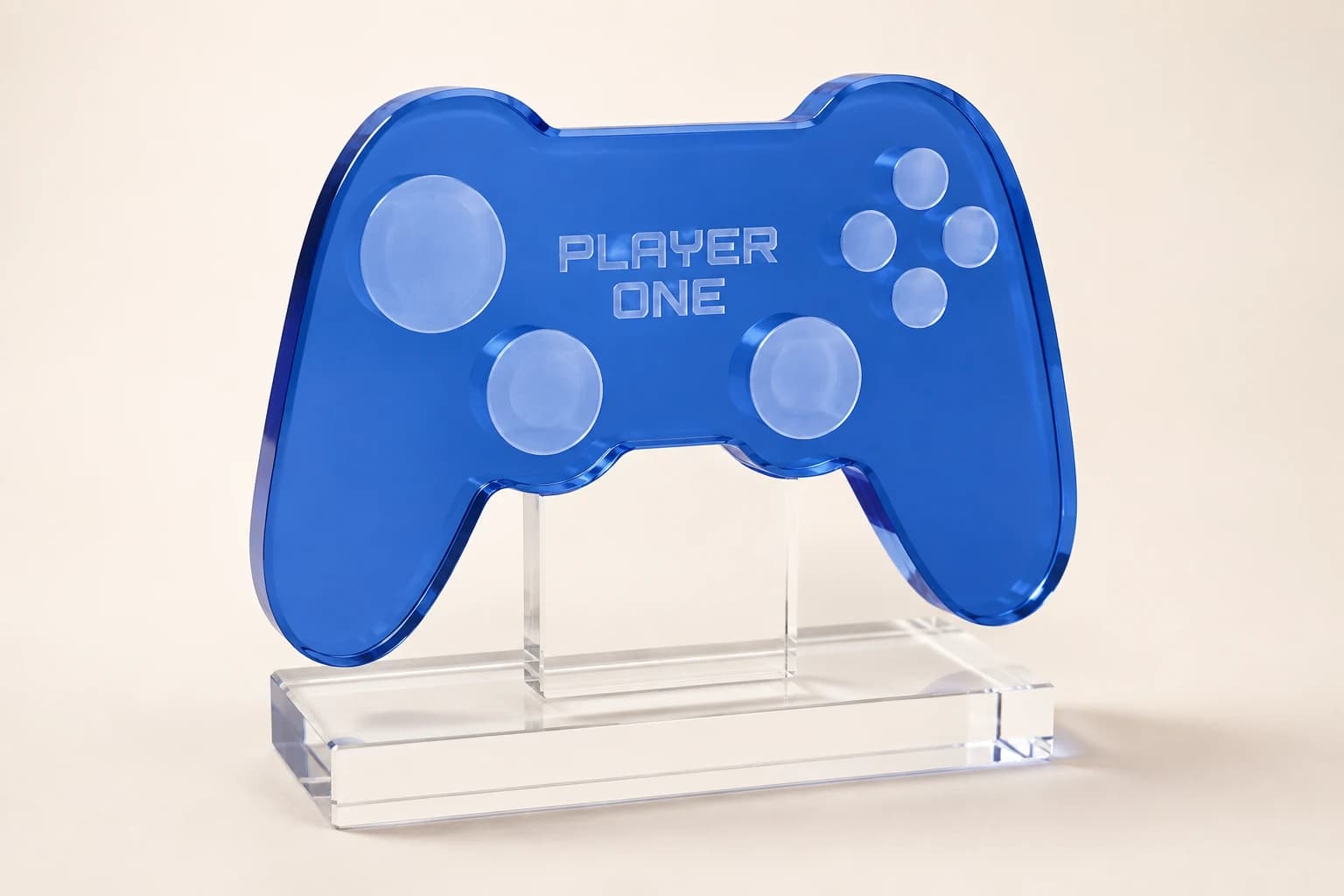
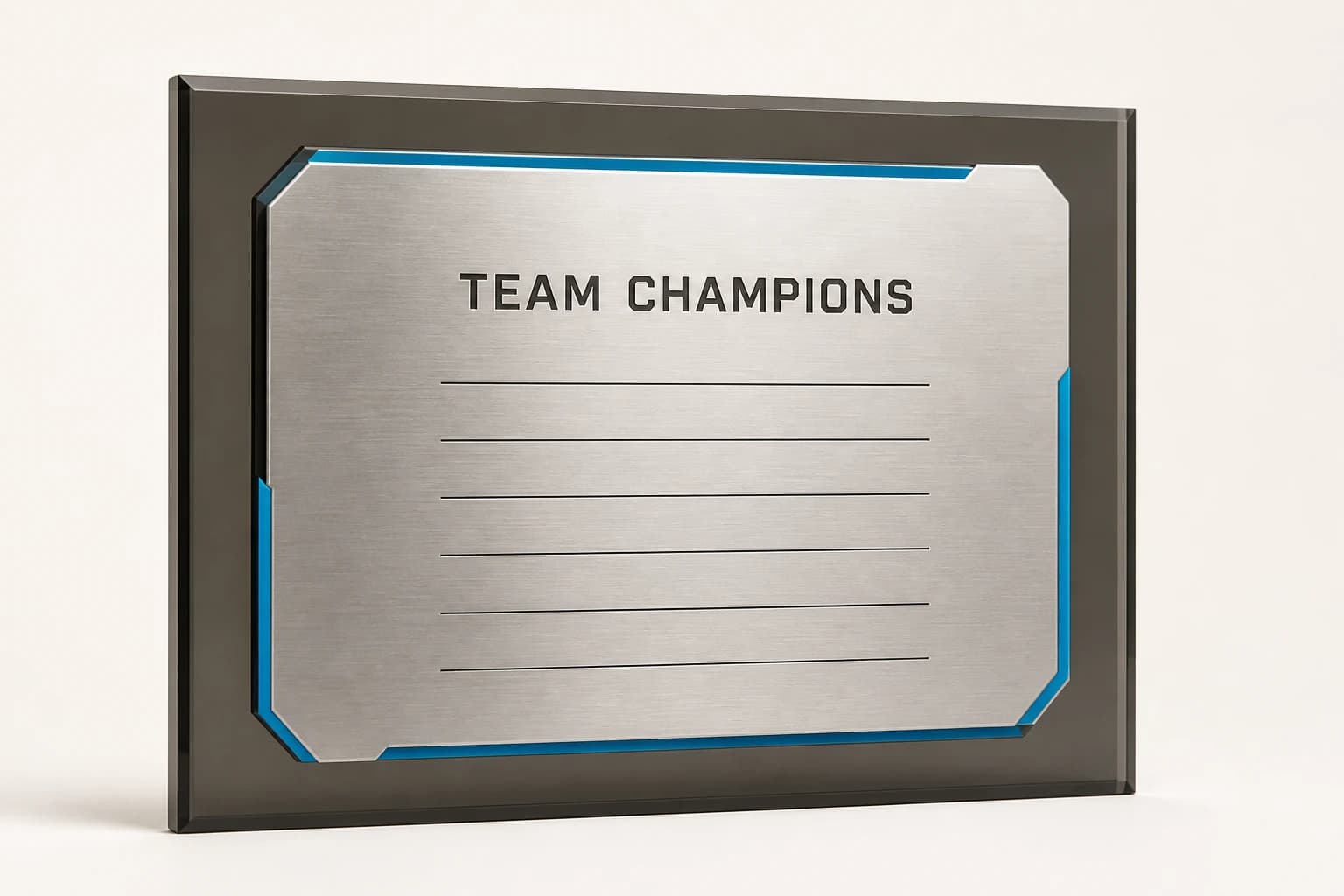
How do case, punctuation and spacing affect the approved tag?
Uppercase and lowercase patterns can be part of a tag's identity. So can periods, underscores, hyphens or a deliberate internal space. Treat them as content to approve, not as formatting noise that a spreadsheet cleanup should remove. Paste the approved string exactly into the proofing record.
At the same time, ask about accidental leading or trailing spaces introduced during copying. Show the intended visible result to the reviewer rather than making a silent judgment. If a tag is easily confused with another because it uses similar-looking letters or numerals, verify it against the authorized player record and the final visual proof. A plausible-looking alternative is still the wrong tag.
Check exact gamer-tag and event-line lengths
The fictional gamer tag Nova_7 contains six visible characters and 2026 Finals contains eleven, giving seventeen across two lines. The checker compares them with a chosen sixteen-character line budget. The worksheet keeps this text test separate from the player’s identity approval and the actual production proof for underscores, spacing and lettering.
Method: Count visible characters by line against the chosen text budget; the result does not establish physical fit.
Build your plan
Counts include spaces and punctuation. Character count cannot establish physical fit: font, script, layout, material and engraving area require a proof at actual size.
Use the article’s example files
Sample rows are fictional planning examples. Replace them with authorized information and retain the approval references privately; this file is not a production release.
How should special symbols be reviewed in the proof?
A text file can contain characters that a proposed font or personalization process does not reproduce as intended. Ask production to show the actual tag in the selected layout, especially where it uses non-Latin script, combined marks or symbols. A placeholder box in a draft is an unresolved issue, not a decorative choice.
If an alternative is necessary, return the proposed replacement to the player or authorized reviewer. Do not transliterate, remove marks or substitute an emoji without approval. The solution may be a different layout or a reviewed artwork treatment rather than a new spelling. The relevant question is whether the finished object preserves the approved identity clearly.

What can the gamer-tag text checker verify?
Enter the exact proposed lines, including their intended breaks. The checker reports visible character groups and compares each line with the budget you choose. That can identify a long tag or a crowded event line early in the review. It cannot verify that the tag belongs to the correct person or establish physical fit.
Two strings with the same count can have different visual widths. Inspect the longest actual tag at the proposed finished size, alongside the other required information. If the design looks crowded, consider the hierarchy and available area before abbreviating the player. A shorter event subtitle may preserve identity more effectively than cutting a meaningful part of the tag.
Unicode defines boundaries for user-perceived characters.
Who should review each player’s personalized proof?
A representative proof can establish the overall design, but every personalized tag still needs checking. Do not approve a whole batch only because the first short tag looks correct. Review each exact string against its roster reference, paying special attention to near-duplicates and characters that are easy to misread.
If the event uses one reviewer for all players, make sure that person has the authority and source information to approve display identities. A designer can check alignment and spelling against the supplied text but cannot know that a competitor prefers a different historic handle. Separate those responsibilities so a visual approval does not stand in for identity confirmation.
What happens when a player changes a tag after approval?
A player may rebrand after winning but before the award is produced. Ask whether the event wants the tag used during the competition or the newly requested identity. The decision should be explicit and recorded with the season. Do not let a current social profile automatically overwrite the approved historical string.
If a new tag is accepted, issue a complete replacement string and identify the affected item. Recheck its length, layout and team relationship. A message saying use the new name is ambiguous unless the order record contains the exact new version. Confirm the production status before assuming the change can be incorporated without a new piece or revised schedule.
How do you match approved tags to packed keepers?
Match each personalized keeper to a simple internal item reference and its intended receiving group. A packing label should help team operations distribute the objects without exposing private registration information. The label's reference can remain separate from the public tag on the award.
At receiving, compare the visible inscription with the approved proof rather than reading only the external label. A correctly labeled box can contain the wrong personalized piece. If two tags are similar, keep their items physically separated during checking so a well-intended repacking step does not swap them. Record the final team allocation after any correction is accepted.
Which tag belongs on a historical replacement award?
Save the final exact string and proof with the event and season reference for replacements. The archive should explain which tag version was approved at the time, while avoiding unnecessary account credentials or private player data. A replacement order can then reproduce the award without searching current profiles.
If the event later publishes images of the keepers, use the appropriate approved public information and artwork scope. The inscription file is a production record, not automatic authorization for every promotional use. Keep the operational purpose clear: accurate personal recognition for the approved recipient, with enough retained evidence to correct or reproduce the object if the event authorizes that work.
Illustrative example: how do Nova_7 and 2026 Finals total seventeen characters?
For a fictional keeper, the approved lines are Nova_7 and 2026 Finals. Their character counts are 6 and 11, totaling 17 across two lines. With a chosen line budget of sixteen, both are within the budget. The checker does not establish whether Nova_7 is a real player or whether the proposed layout fits a particular product.
Suppose a broadcast graphic displays ABC Nova_7. The award reviewer must decide whether ABC is a team prefix to include, a separate team line or something to omit. Copying the graphic automatically would change the approved tag.
The worksheet records the exact tag, a separate team field and the event line. Its review-status fields remain illustrative placeholders. A real batch requires every recipient's authorized display text and a final proof showing the selected font, line breaks and punctuation.
Which gamer-tag proof source should control the inscription?
Compare an event-approved text record, a player-confirmed correction and a historical replacement record by the identity each is meant to preserve. Screenshots can help explain appearance, but the final inscription needs an exact approved string. Keep that string connected to the recipient and event so a cosmetic edit cannot switch identities.
| Option | Useful when | Decision to resolve |
|---|---|---|
| Tag only | The player’s public gaming identity is the intended personal focus. | Event and season context still need clear placement. |
| Tag with separate team line | Team identity matters without changing the tag itself. | Approve the historical team and exact line hierarchy. |
| Tag with personal name | The event and player approve both public identities. | Confirm the display name and avoid unnecessary private data. |
What should you know before ordering?
Gamer tags can contain deliberate details that ordinary name cleanup would remove. These answers focus on quote inputs, player approval, prefixes and historical changes. Give Arena Trophy Co exact approved public text while the event retains its private identity mapping and resolves any difference between registration, broadcast graphics and the recipient’s requested inscription.
What should we send before requesting a gamer-tag engraving quote?
Provide the exact approved public tags, event lines, quantities and any unusual characters in an editable text file. Ask Arena Trophy Co to review the proposed personalization method and layout. A screenshot can clarify appearance but should not replace a confirmed text record or imply that every symbol will reproduce without review.
Should a gamer tag be corrected to ordinary capitalization?
Preserve the case the player and authorized event contact approve. Uppercase, lowercase, underscores and intentional spacing can be part of the public identity. Do not run automatic title case or remove punctuation as routine cleanup; show any proposed change in full and obtain approval for the final inscription string.
Does the tag need the current team prefix?
Use the prefix rule approved for that event and award. A current roster prefix may differ from the one used during the championship, and some programs may omit prefixes from personal keepers. Keep the decision consistent within the approved scope and confirm exceptions rather than assembling a tag from different sources.
Can the character checker verify every special symbol?
No. It counts visible text units against a chosen line budget and does not certify production support or physical fit. Review the actual typeset proof for symbols, punctuation and spacing using the proposed method. The player’s identity approval and the production appearance check remain separate tasks.
Should a replacement use the player’s new gamer tag?
Refer to the approved historical inscription unless the event authorizes a changed replacement. The player’s current account name may not represent the championship record. Keep the original season, tag and proof reference available so a replacement does not silently rewrite the identity that appeared on the first award.
Sources and scope
The sources below support the cited technical details. The ordering workflows are editorial recommendations. Your project specification, price and schedule are established in the written quote and approved proof.
- Unicode Consortium: Unicode Text Segmentation · checked 2026-09-05
Which buying guide should you read next?
All buying guidesGive every sponsor mark an authorized file, named reviewer and explicit placement scope, then approve the complete trophy layout before production.
Count substitutes from the organizer’s approved award roster, then distinguish personal keepers, shared team objects and any separately approved staff recognition.